Best Small Business Loans in the US: 7 Top Options for 2025
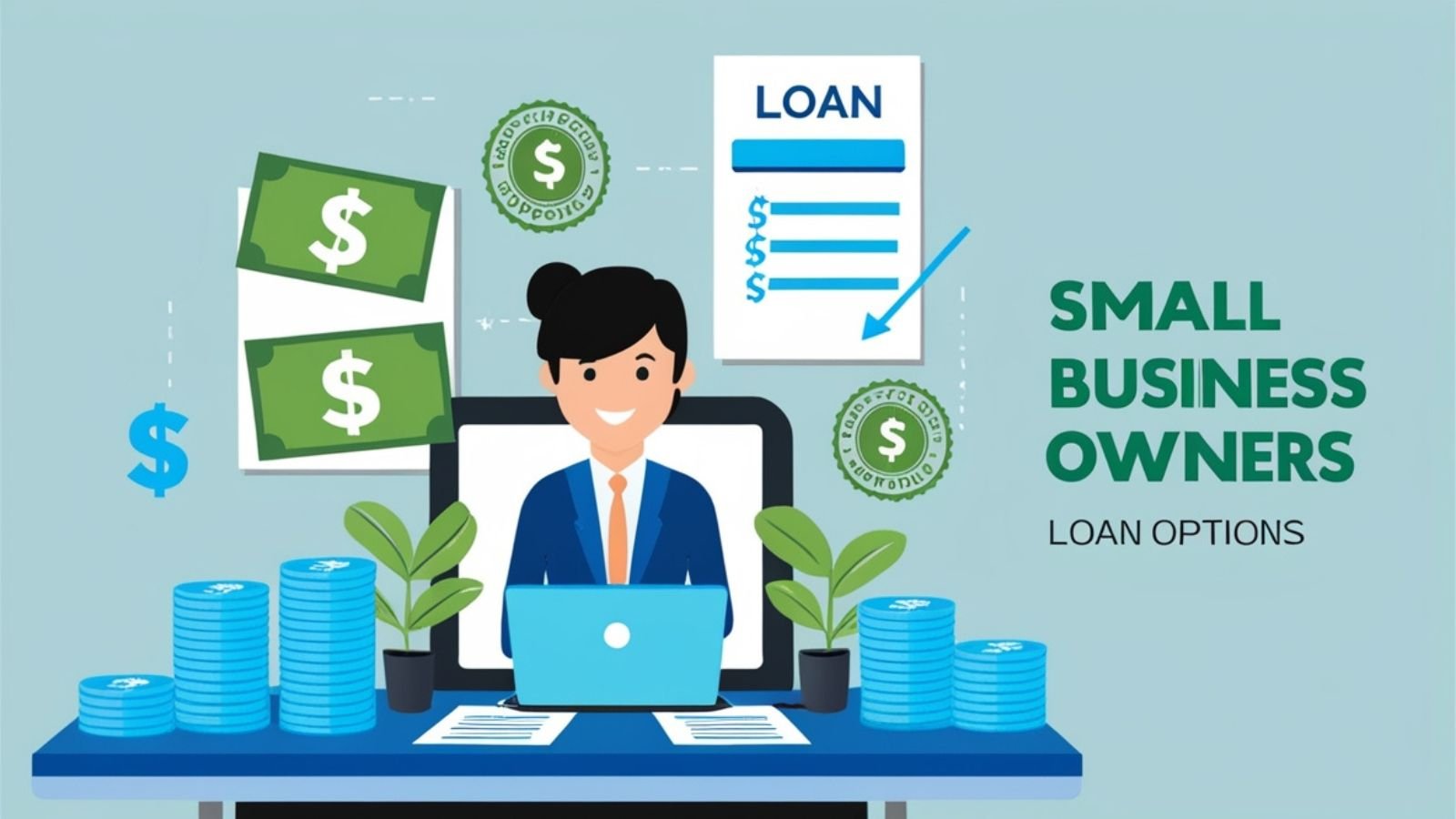
Best Small Business Loans in the US: 7 Top Options for 2025
Explore the best small business loans in the US. Compare top lenders, rates, and terms to fund your business growth confidently.
Introduction
Starting or growing a small business in the US often requires access to capital. But with so many loan options available, finding the right one can feel overwhelming. Are you looking for funding that fits your business needs without high interest or complicated terms?
This guide highlights the best small business loans in the US, offering insights to help you choose the most suitable financing option and accelerate your business growth.
1. SBA Loans (Small Business Administration)
SBA loans are government-backed, making them ideal for small businesses seeking lower interest rates and longer repayment terms.
Pros:
- Low interest rates
- Flexible repayment terms (up to 25 years)
- Suitable for startups and established businesses
Cons:
- Lengthy application process
- Extensive documentation required
2. Term Loans
Traditional term loans from banks or online lenders provide a lump sum upfront, repaid with fixed interest over a set period.
Pros:
- Predictable monthly payments
- Can fund expansion, equipment, or inventory
- Wide range of loan amounts
Cons:
- May require strong credit history
- Interest rates vary by lender
3. Business Lines of Credit
A business line of credit works like a credit card: borrow what you need, pay interest only on the amount used.
Pros:
- Flexible access to funds
- Pay interest only when borrowing
- Ideal for managing cash flow
Cons:
- Variable interest rates
- Requires responsible management
4. Equipment Financing
If your business requires equipment, these loans allow you to purchase it without large upfront costs.
Pros:
- Secured by the equipment itself
- Preserves cash flow
- Fixed monthly payments
Cons:
- Limited to equipment purchase
- Collateral risk if payments are missed
5. Online Small Business Loans
Online lenders offer fast approval and flexible terms, catering especially to startups and businesses with moderate credit.
Pros:
- Quick approval (often within 24–48 hours)
- Minimal paperwork
- Flexible loan amounts
Cons:
- Higher interest rates than traditional banks
- Shorter repayment terms
6. Invoice Financing
Perfect for businesses that need cash while waiting for customer payments. Lenders advance funds based on outstanding invoices.
Pros:
- Immediate access to working capital
- Reduces cash flow gaps
Cons:
- Fees can be higher than traditional loans
- Dependent on customer payments
7. Microloans
Ideal for small startups, microloans provide smaller amounts (up to $50,000) with manageable repayment terms.
Pros:
- Easier approval than traditional loans
- Supports small or community-based businesses
Cons:
- Limited funding amount
- May require personal guarantee
Conclusion
Choosing the right small business loan is essential for growth and financial stability. Whether you need long-term financing, short-term cash flow support, or equipment funding, these options provide solutions tailored to your business needs.
Call-to-Action: Ready to grow your business? Compare these loans today and secure the funding your business deserves!
FAQ
1. What are the best small business loans in the US?
SBA loans, term loans, business lines of credit, equipment financing, online loans, invoice financing, and microloans are among the top options.
2. How do I qualify for a small business loan?
Requirements vary by loan type, but generally include business plan, credit score, revenue history, and legal documentation.
3. Which small business loan is fastest to get?
Online loans and invoice financing typically offer the quickest approval and funding.
4. Can startups get small business loans?
Yes, especially SBA microloans and online loans designed for new businesses.
5. What is the typical interest rate for small business loans?
Rates vary widely from 4% for SBA loans to 20% or higher for some online loans.